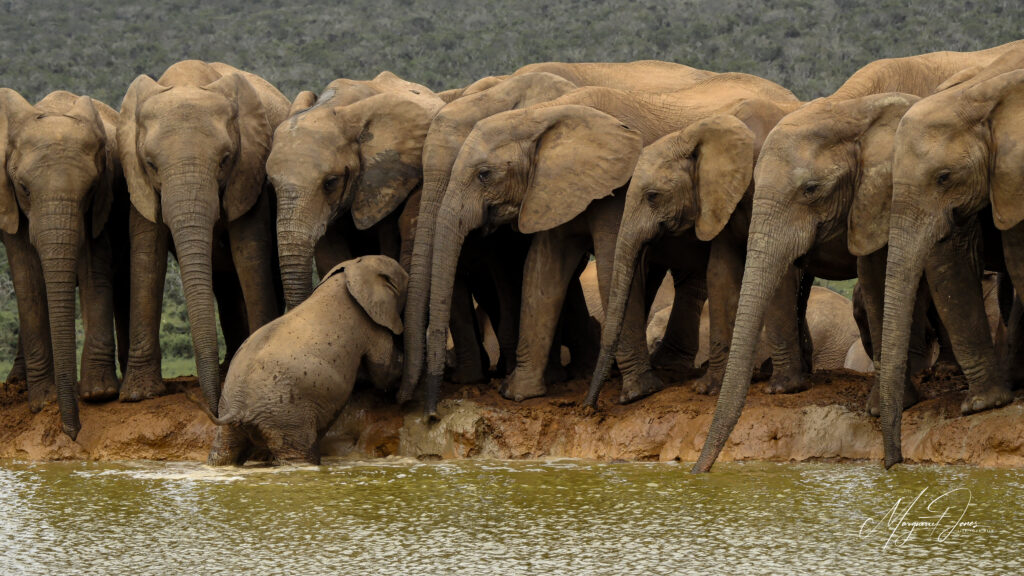
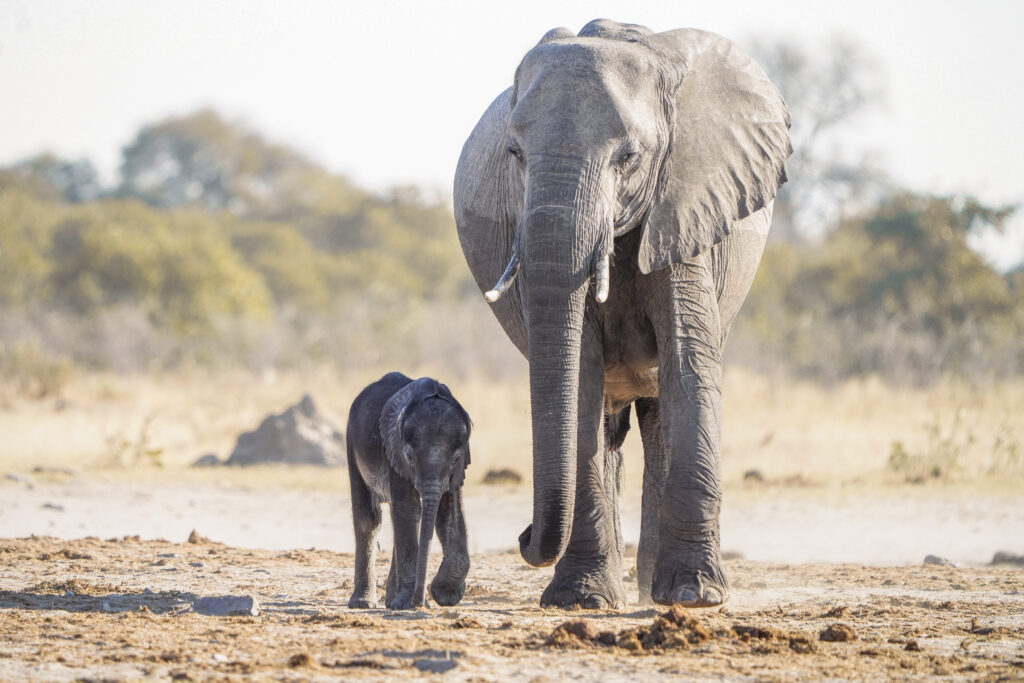
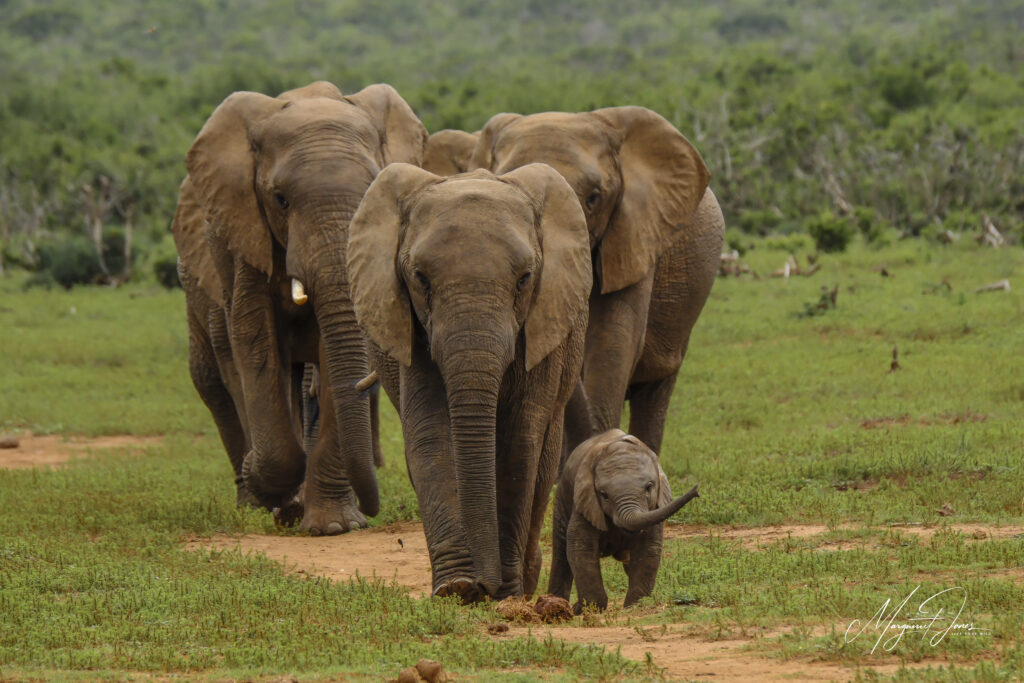
Elephants carry a secret in their genes — a resilience to cancer that far outstrips what we see in humans. AWCF, in partnership with Dr. Charlot Vandevoorde and NRF-iThemba LABS, is investigating that secret through hands-on field work. We collect blood and tissue from wild elephants, study their response to damage, and seek insights that could shape future cancer prevention strategies — in wildlife and people.
Why It Matters
Elephants live long, carry many more cells than smaller mammals — by simple chance, they should suffer far more cancer. Yet, they don’t. Understanding how their bodies resist disease opens possibilities for new medical insights.
Beyond human medicine, this research strengthens elephant conservation too. Every sampling mission doubles as a check on elephant health, helps build capacity in veterinary field operations, and improves our ability to monitor wild populations.
Our mobile lab vision means more populations included — those in remote areas that are often overlooked. The broader and more diverse our sample coverage, the better we can understand resistance mechanisms and variation across elephants in different environments.
“When we study how elephants resist cancer, we’re not just protecting wildlife — we’re investing in a future where both species thrive.”
— Dr. Willem Burger, Founder, AWCF
HOW WE DO IT
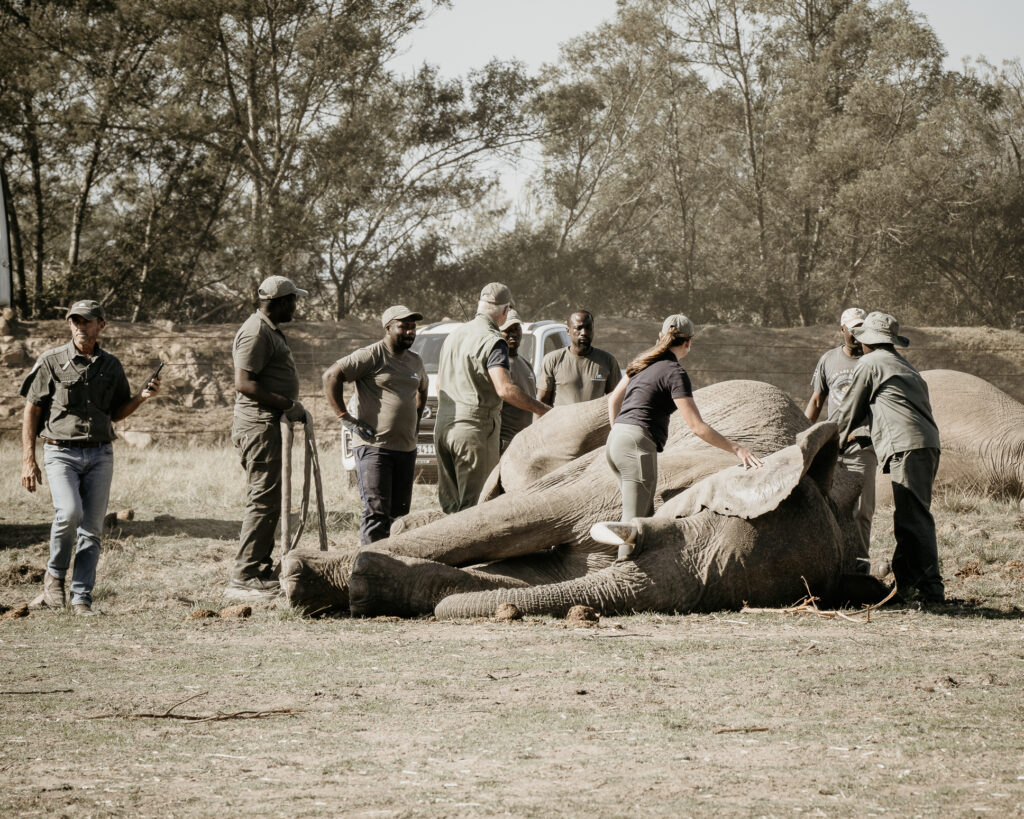
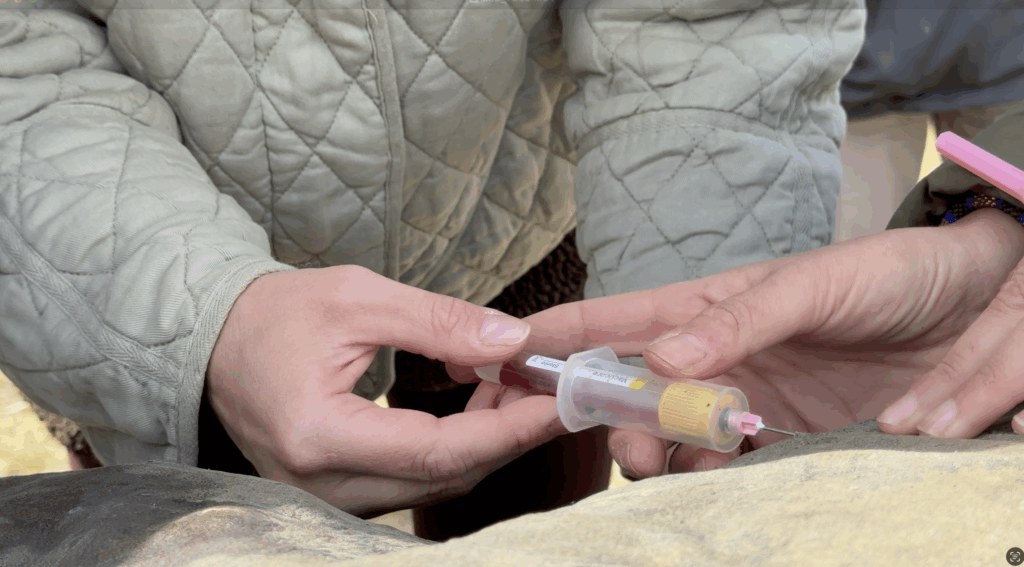
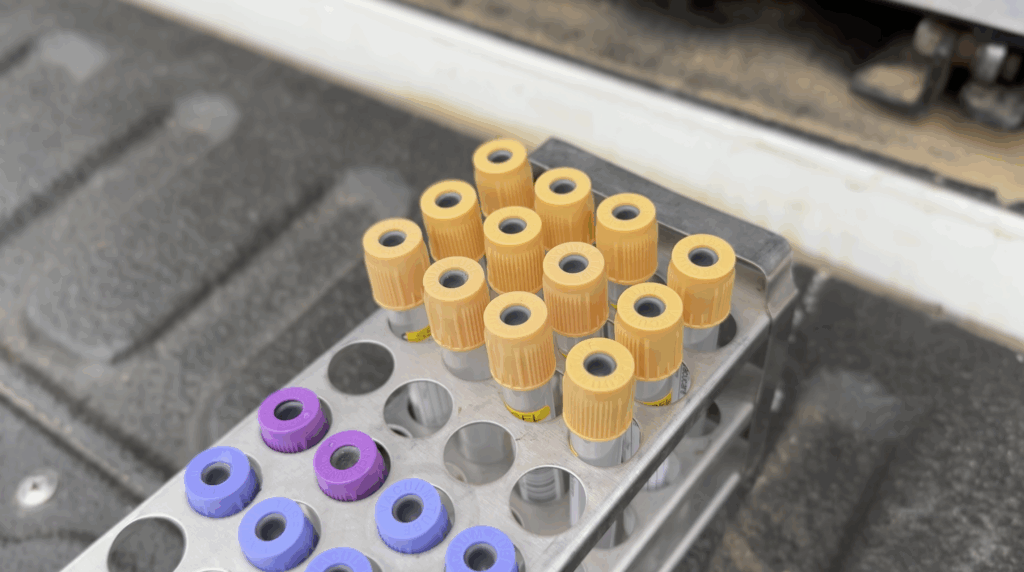
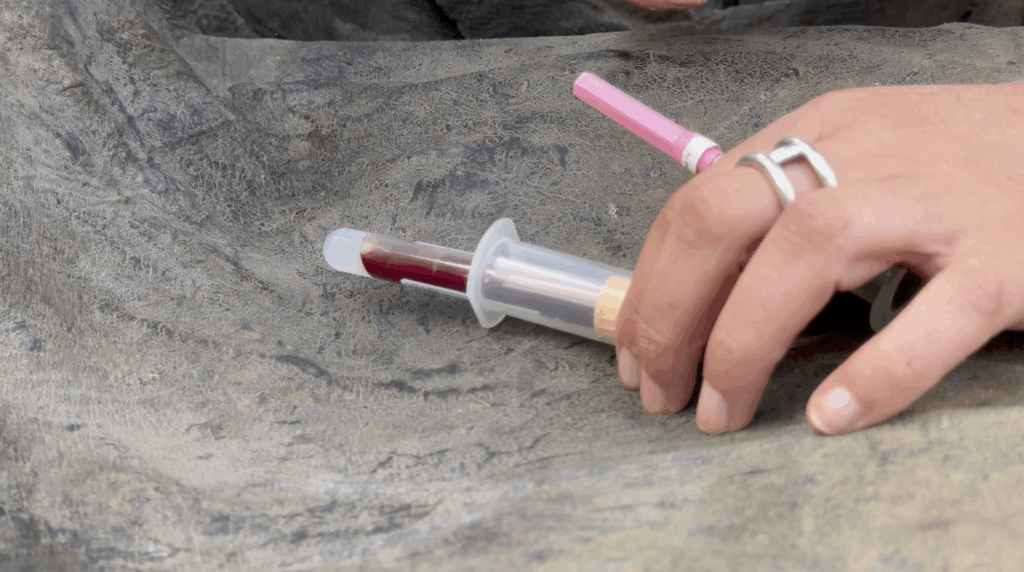
Field Collection: Our veterinary team led by Dr. Willem Burger travels to reserves (such as Botlierskop Game Reserve) to obtain blood and skin samples from wild, free-roaming elephants under safe, minimally invasive protocols.
Lab Analysis: Samples are processed at NRF-iThemba LABS, where tests are conducted to see how elephant cells respond to DNA damage (e.g. from radiation) and whether their multiple TP53 genes lead to more effective removal of damaged cells.
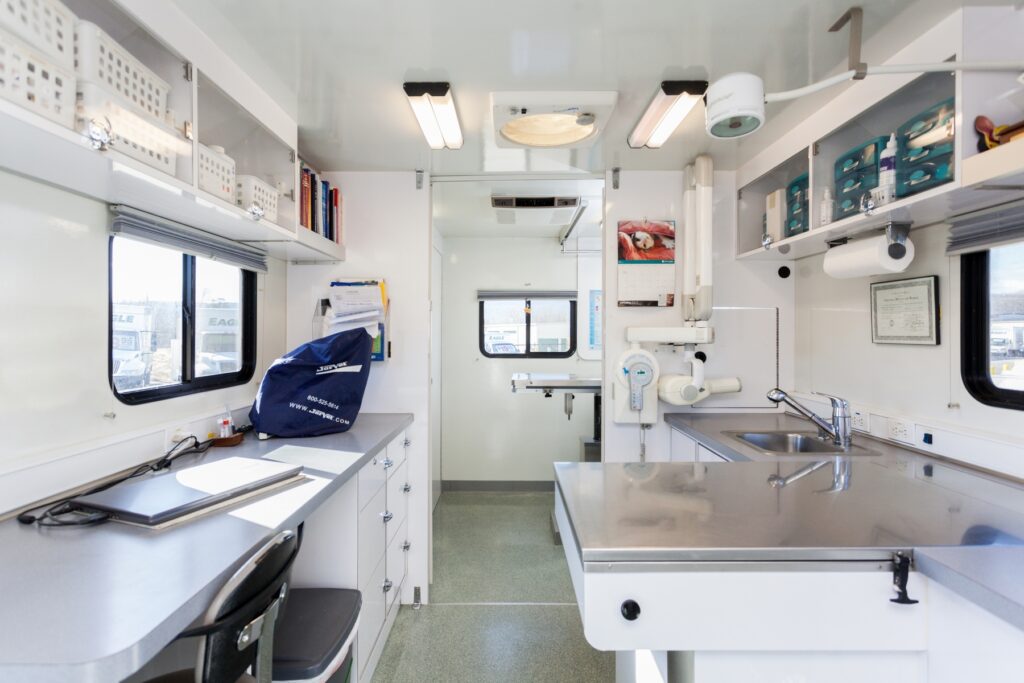
Mobile Lab Deployment: To overcome time limits and remoteness, AWCF is investing in a mobile lab unit, enabling same-day sample processing in regions further from the core lab, extending our reach to elephant populations in northern South Africa, Botswana, and beyond.
Collaboration & Ethics: Our work is guided by strict ethical standards, conservation veterinary practices, and in collaboration with reserve authorities and wildlife agencies to ensure minimal stress, maximal welfare, and respect for wild animals.
IMPACT TO DATE
Successful collection and initial analysis of elephant blood and skin samples in collaboration with Dr. Vandevoorde’s team.
Mobilisation of plans for a mobile lab to increase geographic scope and sample diversity.
Proof of concept established: the multiple TP53 gene copies in elephants appear to significantly increase capacity for apoptosis in damaged cells.
“Understanding how elephants resist cancer could reshape how we approach human disease. It’s proof that protecting wildlife protects the future of medicine too.” — Dr. Willem Burger, Founder, AWCF
How You Can Support
Fund the Mobile Lab: Help us purchase and equip the mobile processing unit so we can operate in remote areas and collect more samples across different elephant populations.
Support Field Missions: Contribute to logistics, transport, veterinary staffing, and field equipment for sample collection.
Research Partnerships: Collaborate with us to expand analysis, publish results, and explore applications of our findings.
Awareness & Outreach: Help share the story — elephant resilience, and what it teaches us about cancer. Donors, sponsors, and institutions that support translation of wildlife research into human benefit are especially welcome.
Want to know more about our Vulture project in the Karoo