
Shoebill Recovery in the Bangweulu Wetlands
Overview
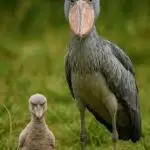
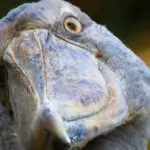
The Shoebill (Balaeniceps rex) is one of Africa’s most iconic and vulnerable wetland birds.
These birds face a sharp decline due to illegal poaching and trafficking, driven by demand from private collectors willing to pay high prices for rare birds. Chicks are often stolen from nests in wetlands like Bangweulu in Zambia, disrupting fragile breeding cycles. Despite CITES protection, the illegal wildlife trade continues to threaten one of Africa’s most iconic and elusive species.
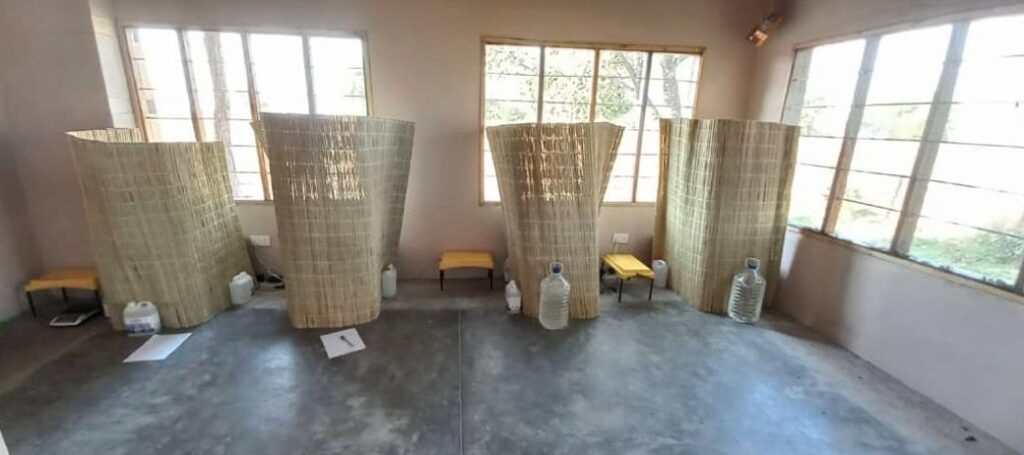
In Zambia’s Bangweulu Wetlands, AWCF, together with African Parks and Ashia Cheetah Conservation, operates the first‐of‐its‐kind captive rearing and rewilding facility dedicated to shoebill chicks. Our goal: to increase survival rates, extend population numbers, and safeguard this species against extinction.

Why It Matters
Every year, shoebills lay two eggs, but only one chick usually survives in the nest — the stronger killing the weaker (a phenomenon known as siblicide). This natural limitation worsens when nests are disturbed or lost. By intervening, we can help both chicks survive, increasing overall breeding output.
Shoebills are extremely sensitive to habitat changes. Their survival depends on rare, undisturbed wetland environments with specific vegetation and water levels. In Bangweulu, habitat degradation, illegal trade, fire, and human encroachment threaten their survival.
With only a few thousand mature shoebills left across their range, each chick preserved and successfully reintroduced contributes meaningfully to species persistence. This project does more than save individuals — it strengthens population resilience, protects wetlands, and supports local communities who benefit from a healthy ecosystem and wildlife tourism.
HOW DOES IT WORK
- Nest Protection & Monitoring: Working with local communities and DNPW, we employ nest guardians during nesting season to protect nests from human interference, poaching, fire, and habitat damage.
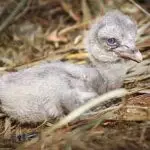
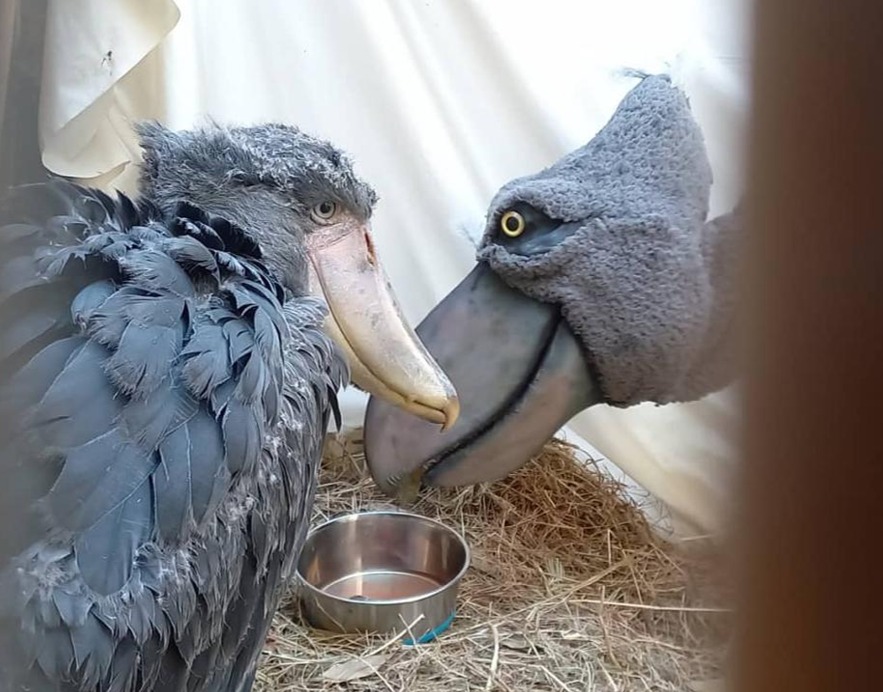
- Egg / Chick Rescue & Captive Rearing: When a nest has two eggs or two chicks, we carefully collect the second (or extra) under strict protocol. In our rearing facility, chicks are raised with life‐like puppets to prevent them associating humans with food or comfort — preserving their wild instincts.
- Incubation & Release: Each rescued chick is incubated, nurtured, and when ready, released back into the Bangweulu Wetlands where it can integrate into the wild population. All releases are monitored (e.g. via rings, GPS tracking where possible) to learn and improve.
- Community Engagement & Education: The programme supports local employment (nest monitoring, guard duties), awareness campaigns to discourage illegal trade and disturbance, and works to align conservation with sustainable livelihoods.
- The work doesn’t end when a chick hatches — it begins there. Each young Shoebill is carefully nurtured until it is strong, alert, and fully capable of survival in the wild. Once ready, they are gradually reintroduced into protected wetland habitats under close monitoring, often returning to the very marshes that inspired this project.
Shoebill Puppet Rearing: Feeding Without Imprinting
- To protect the wild instincts of captive-reared chicks, the Shoebill project in Zambia uses life-like hand puppets (“muppet parents”) designed by Bill Diamond to simulate shoebill parents during feeding. This approach helps prevent chicks from imprinting on humans — a crucial step, because imprinting often makes release back into the wild impossible.
- Caregivers wear neutral or camouflaged clothing, use sock puppets or puppet hands that resemble shoebill forms, and reduce human visual contact while feeding and cleaning so that the chicks retain instinctual fear and recognition of humans vs. shoebills.
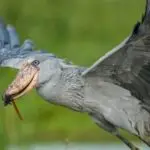
Help us give shoebills another chance. By supporting the Shoebill Recovery Project, you are actively safeguarding one of Africa’s rarest wetland birds.
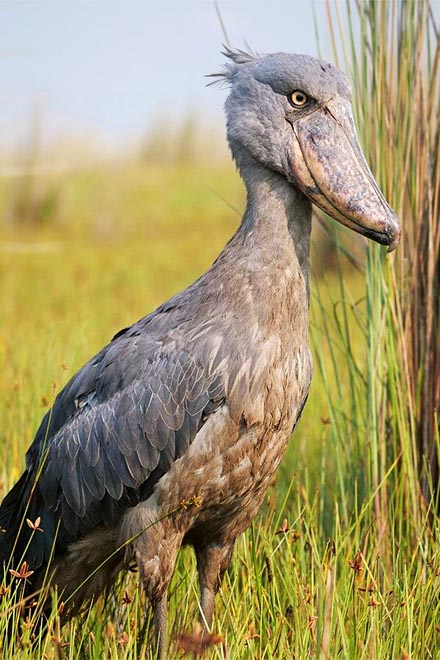

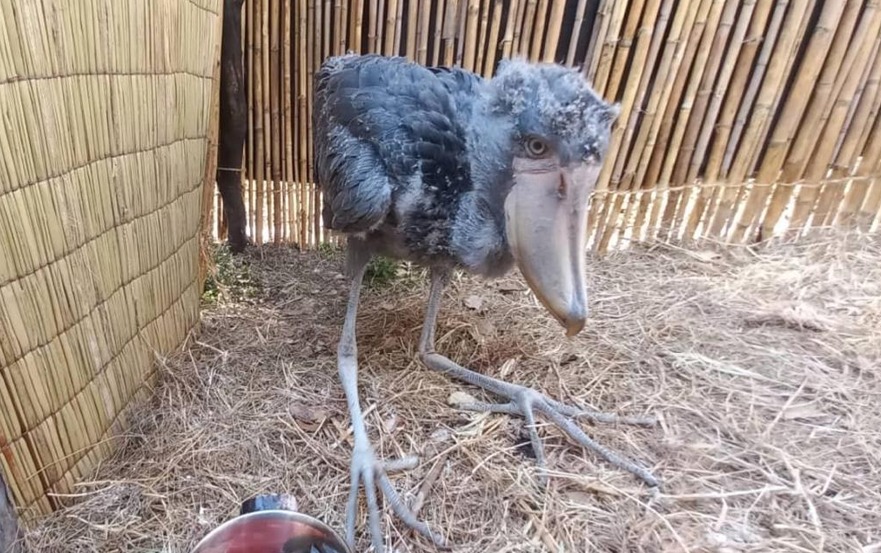
The nest protection programme and community guardianship have helped to increase the number of fledged chicks in protected nests. The captive rearing facility, established in May 2022, is the first of its kind in this region and adds capacity to rescue eggs/chicks that might otherwise be lost. Research from habitat suitability studies confirms that vegetated wetlands are critical; preserving these areas helps ensure space for future generations of shoebills.
How You Can Support
Your support enables us to scale up and improve every part of this programme — from nest protection through to successful rewilding.
Fund a Nest Guardian: Help employ local guardians to protect shoebill nests during breeding seasons.
Sponsor an Egg or Chick: Contributions go towards incubation, puppet rearing, release, and follow‐up monitoring.
Support Infrastructure & Equipment: Funds can help supply incubators, brooders, GPS/ring tracking gear, or protective field equipment.
Community Outreach & Education: Donors can support awareness campaigns, training programs, and local education to reduce threats (illegal trade, habitat destruction).
