
Red-billed Oxpecker Reintroduction — Botlierskop & Western Cape
Overview
For decades, red-billed oxpeckers — once a common sight across South Africa — vanished from large parts of the country, including the Western Cape. Their disappearance wasn’t due to habitat loss alone, but largely the result of organophosphate- and arsenic-based pesticides used during colonial times to control ticks on livestock. These chemical dips, while effective against parasites, were lethal to oxpeckers, poisoning the very birds that naturally kept tick populations in check.
The result was a devastating chain reaction: the loss of a key species that played an essential ecological role in maintaining animal health and balance within ecosystems. Today, through dedicated reintroduction and conservation efforts, the Red-billed Oxpecker Project is helping restore this intricate relationship — bringing the species back to reserves like Botlierskop and re-establishing one of nature’s most effective symbiotic partnerships.
WHY IT MATTERS
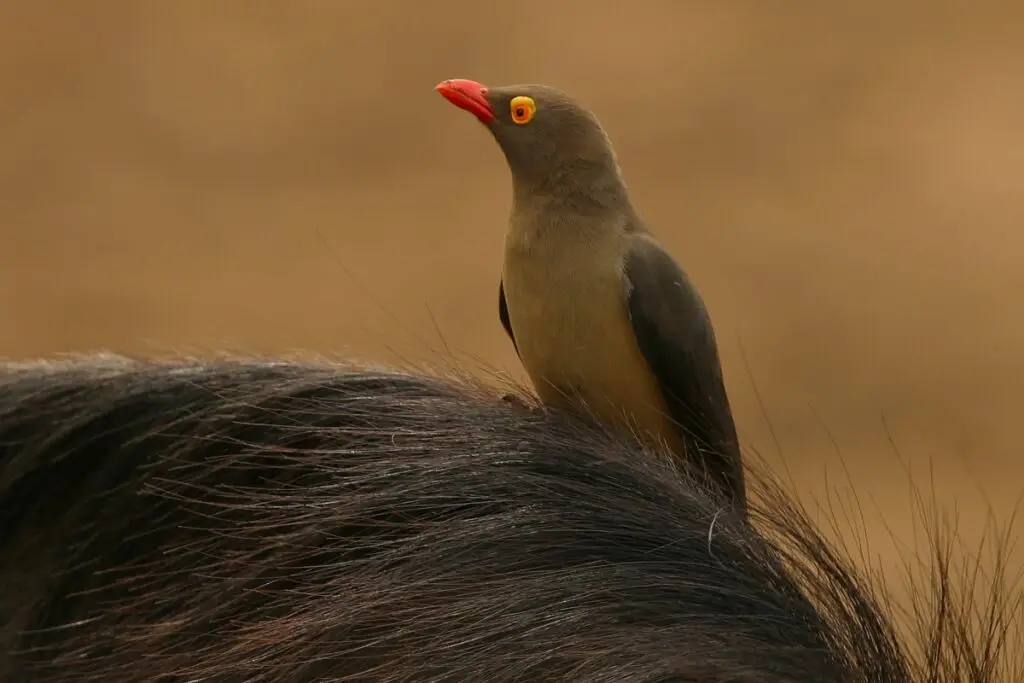
- Oxpeckers provide a natural service: they remove ticks and parasites from large mammals and help keep wounds clean, contributing to herd health and reducing parasite loads across landscapes.
- Their return signals recovering wildlife populations and more balanced ecosystems. Reintroducing oxpeckers also helps reconnect ecological relationships lost as reserves and protected areas recover their megafauna.
How We Do It
Source and translocate: Birds are sourced from healthy populations (where appropriate and permitted) and carefully moved to release sites that offer sufficient host species and nesting opportunities.
Prepare habitat & hosts: We ensure release areas have stable populations of suitable hosts (buffalo, rhino, large antelope) and address local risks (e.g., harmful chemical use, unsafe livestock dipping practices) that previously limited oxpecker survival
- Monitor & adapt: Post-release monitoring tracks bird dispersal, host use, breeding success and survival. Findings guide follow-up releases and local conservation measures to support a self-sustaining population.
Impact to Date
- Initial reintroductions at Botlierskop and nearby reserves have produced encouraging results: oxpeckers have been observed settling, nesting, and using livestock and wild hosts, indicating the restoration of ecological links that were absent for decades.
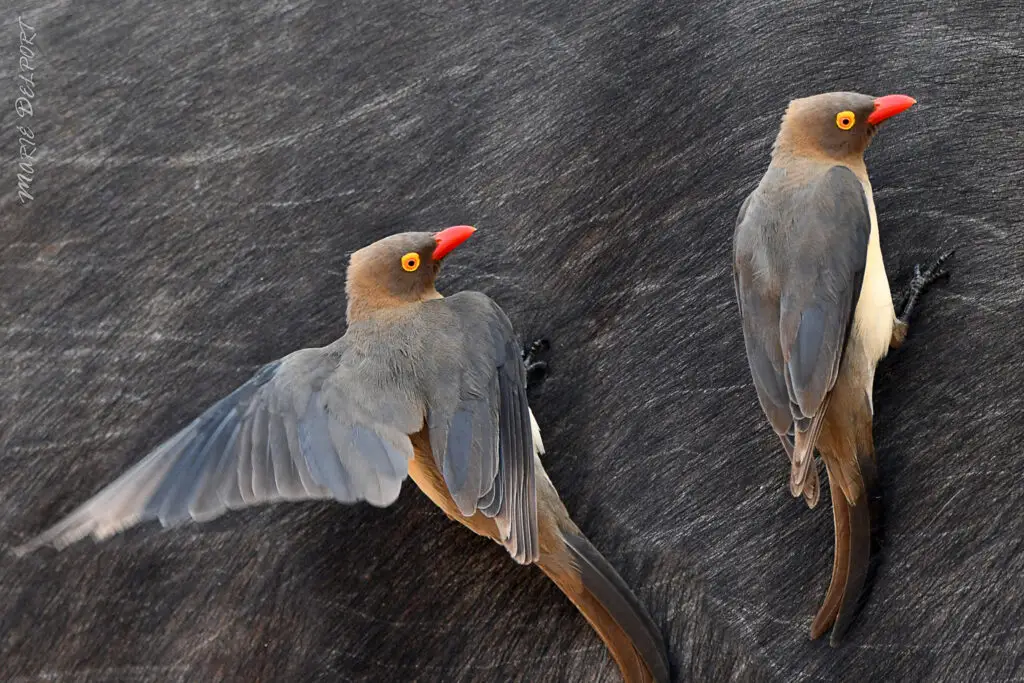
- Reserves across the Eastern and Western Cape that have reintroduced oxpeckers report steadily increasing sightings as habitats mature and host populations recover.
HOW YOU CAN SUPPORT
Sponsor translocations & monitoring — cover the costs of capture, transport, release pens, and follow-up fieldwork.
Fund habitat & host protection — support measures that maintain healthy host populations and safe landscapes (anti-poisoning work, sustainable livestock dipping guidance).
Community engagement & education — help fund outreach so local communities and landowners understand the role oxpeckers play and adopt bird-friendly practices.