
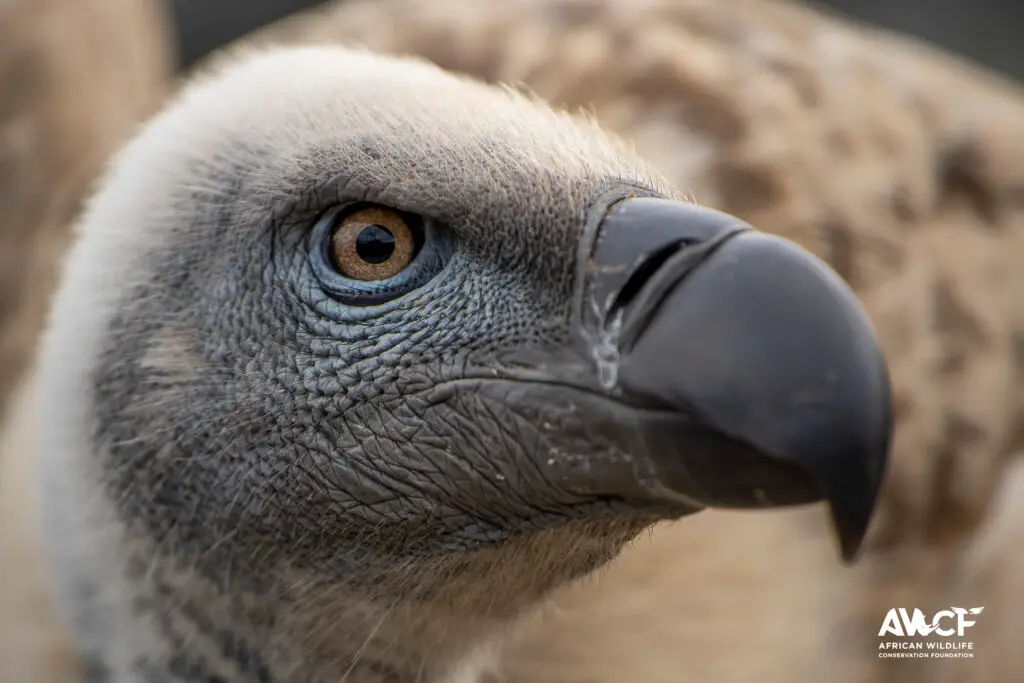
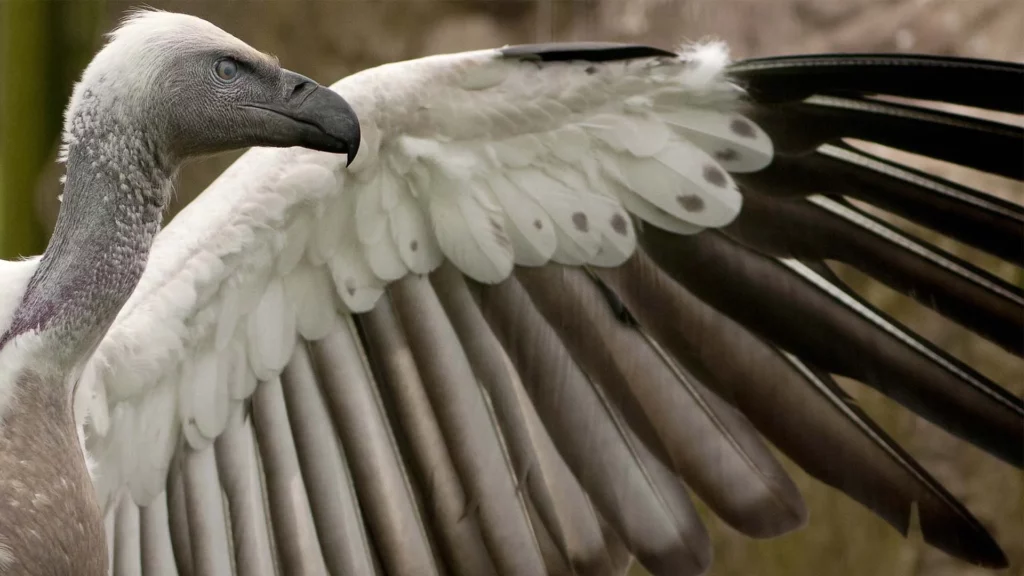
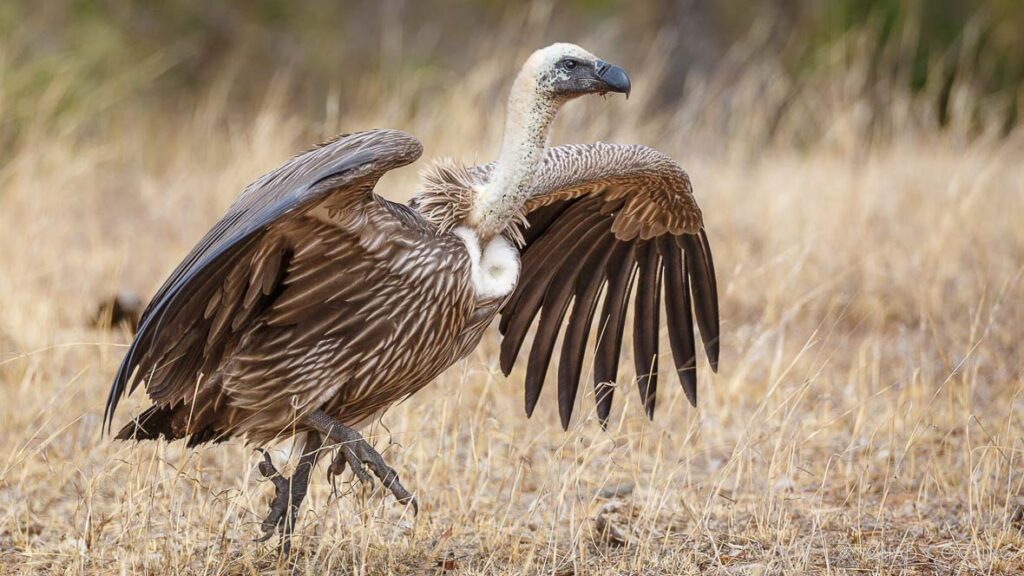
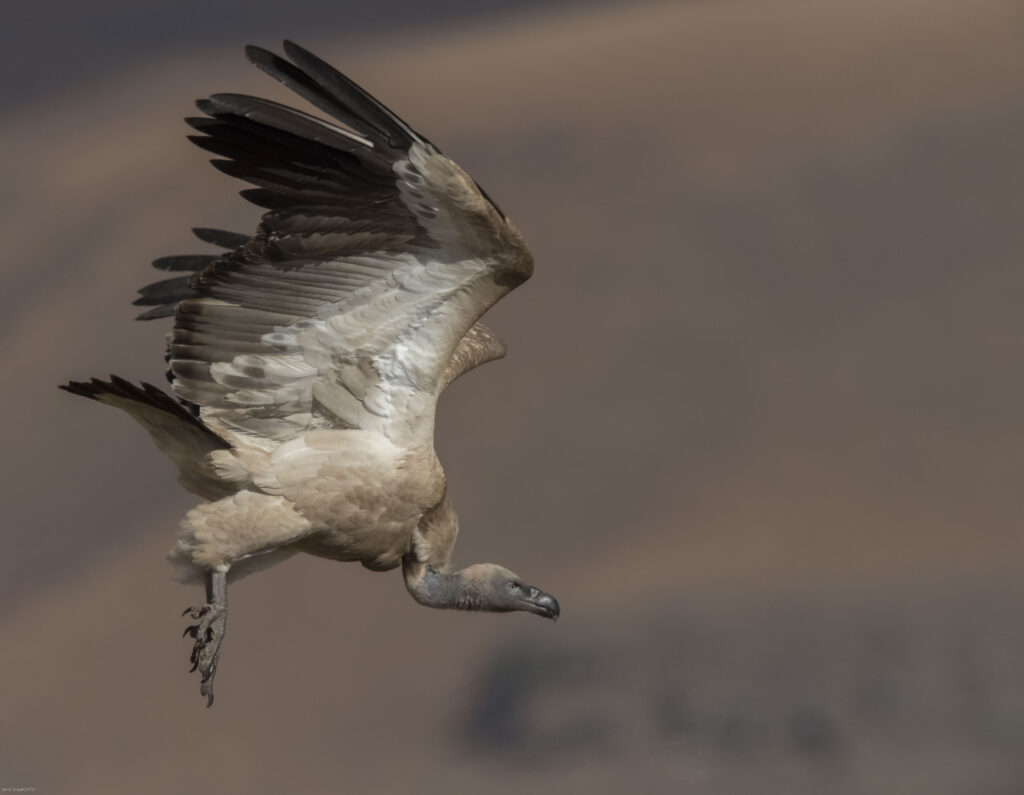
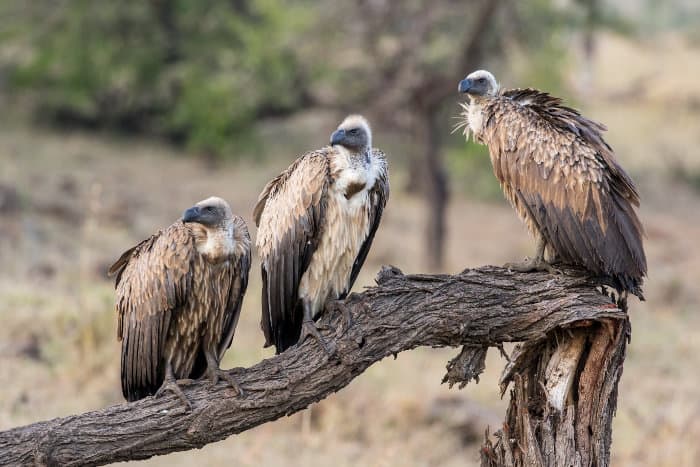
The Cape Vulture once soared in large numbers across the Southern Cape skies and the cliffs of the Karoo. Today, after decades of decline, this majestic bird is endangered — its breeding colonies severely reduced, its nests disturbed, and its safety threatened by a range of human-caused hazards. The Southern Cape Vulture Safe Zone (VSZ) is a large-scale, community-led initiative that brings farmers, protected areas, conservation organisations, and private landowners together to restore a safe landscape for these birds to return, breed, and thrive.
Why It Matters
Ecosystem health: Vultures are nature’s clean-up crew. By removing carcasses efficiently, they help prevent disease spread and maintain balance. Losing them undermines natural decay cycles, with ripple effects for wildlife, livestock, and people.
Cultural and ecological legacy: Many Karoo landowners remember vultures nesting on cliffs nearby or circling farms at dawn. Restoring vultures reconnects with a natural heritage that’s part of the region’s identity.
Wider biodiversity benefits: Measures taken to protect vultures—safe water sources, reduced poison use, securing dangerous power infrastructure—also benefit many other species (birds, mammals, insects) and improve habitat integrity across large landscapes.
HOW THIS PROJECT WORKS
- Survey & Assessment
Working with over 400 landowners, conservation teams map threats on individual properties — from power lines, to poison use, to unsafe water reservoirs. This process in itself can take weeks or even months and is
- Threat Mitigation Plans
On each participating property, tailored actions are implemented: installing escape routes in water reservoirs, modifying or insulating unsafe infrastructure, switching to lead-free ammunition, banning poison for predator control, safely disposing of carcasses, etc.
- Landowner & Community Engagement
Education, partnership, and local ownership are central. Farmers, game breeders, and private reserves are key partners. Together with local communities, they help monitor vulture presence, report incidents, and become vigilant supporters of conservation measures.
- Protecting and Re-establishing Breeding & Roosting Sites
Identifying historic nesting cliffs, protecting roosting sites (from disturbance, fire, development), and encouraging vultures back to those sites through safer surroundings.
- Monitoring, Feedback, Scaling
Sightings are tracked; properties are audited for Vulture-Safe compliance; successes and challenges are used to refine strategies. As more landowners commit, the safe zone grows, increasing connectivity and impact.
OUR LONG TERM COMMITMENT:
THE GOAL IS to connect roughly 1000 properties covering ~100,000,000+ hectares as vulture-safe zone areas.
How You Can Support
Commit your land: If you own or manage property in the Karoo, you can pledge it to become vulture-safe. It may require assessments and mitigation work, but each property strengthens the Safe Zone.
Funding & resources: Support may include assisting with installation of safe water troughs, funding for safe-proofing power lines or modifying hazardous structures, or providing free / subsidised materials and labour for mitigation.
Awareness & education: Spread the word, support community education, influence hunting / predator control practices, help shift norms around poison use.
Monitoring & citizen science: Submit sighting data, report incidents of vulture mortality, support tracking efforts.